Seamless stainless steel tube is a high-performance piping material widely used in industries that demand durability, cleanliness, and long service life. Known for its corrosion resistance, strength, and uniform structure, a seamless tube is manufactured without welding seams, making it suitable for high-pressure and high-purity environments. This guide explains how seamless tubes are made, common grades, and where they are used.
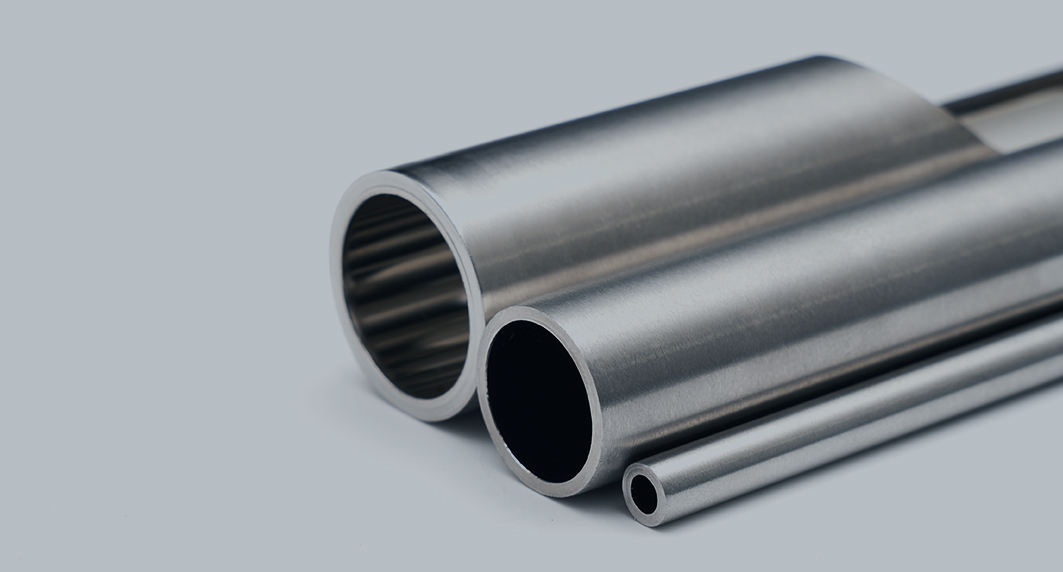
A stainless steel tube is considered seamless when it is produced from a solid billet that is pierced and formed into a hollow tube without welding. Unlike welded tubes, seamless tubing has no longitudinal seam, which results in:
Because of these properties, seamless tubes are often selected when high quality and long-term performance are required.
The manufacturing process determines the performance and consistency of the finished tube. Below is a simplified step-by-step overview.
Production begins with stainless steel billets. Chemical composition is carefully controlled to ensure the required strength and corrosion resistance.
The billet is heated to high temperature and pierced using a rotary piercing mill to form a hollow shell.
The hollow shell is elongated and reduced in diameter through hot rolling or extrusion. This stage defines the initial tube dimensions.
For precise tolerances and smoother surfaces, tubes undergo cold drawing or cold rolling. This step improves dimensional accuracy and mechanical strength.
Annealing is applied to restore ductility and relieve internal stress. Surface treatments such as pickling, bright annealing, or electropolishing may follow depending on the application.
High quality seamless tubes undergo rigorous testing, including:
Different applications require different material properties. The most common grades include:
Selecting the right grade ensures long service life and reliable performance.
Without a weld seam, stress is distributed evenly across the tube wall, making seamless tubes suitable for high-pressure applications.
Stainless steel forms a passive oxide layer that protects against rust and chemical attack.
A smooth bore reduces turbulence and contamination risk in fluid and gas systems.
The combination of durability and corrosion resistance results in lower maintenance and replacement costs.
Seamless tubing is used across many industries where reliability and cleanliness matter.
| Feature | Seamless Tube | Welded Tube |
|---|---|---|
| Structure | No weld seam | Welded joint present |
| Pressure Resistance | Higher | Moderate |
| Corrosion Resistance | Excellent | Good |
| Cost | Higher | Lower |
| Typical Use | High-pressure & high-purity systems | General industrial use |
When selecting a tube, consider:
Choosing the right specifications ensures safe and efficient operation.
Seamless stainless steel tubes are engineered for demanding environments where durability, cleanliness, and reliability are required. Their seamless structure, strong corrosion resistance, and wide range of grades make them suitable for industries ranging from energy and chemicals to food and high-purity gas systems.
Seamless tubes do not have welded joints, which eliminates weak points and allows the tube to withstand higher pressure and stress.
Corrosion resistance protects the tube from chemical attack, rust, and contamination, helping extend service life and reduce maintenance.
Yes, seamless tubes usually cost more due to the complex manufacturing process, but they provide better performance in demanding environments.
Oil and gas, chemical processing, semiconductor manufacturing, pharmaceuticals, food processing, and power generation.
With proper material selection and maintenance, stainless steel tubing can operate reliably for decades in industrial systems.