Online Message
Code
Electropolished (EP)  Stainless Steel Tube

Electropolished (EP) Stainless Steel Tube

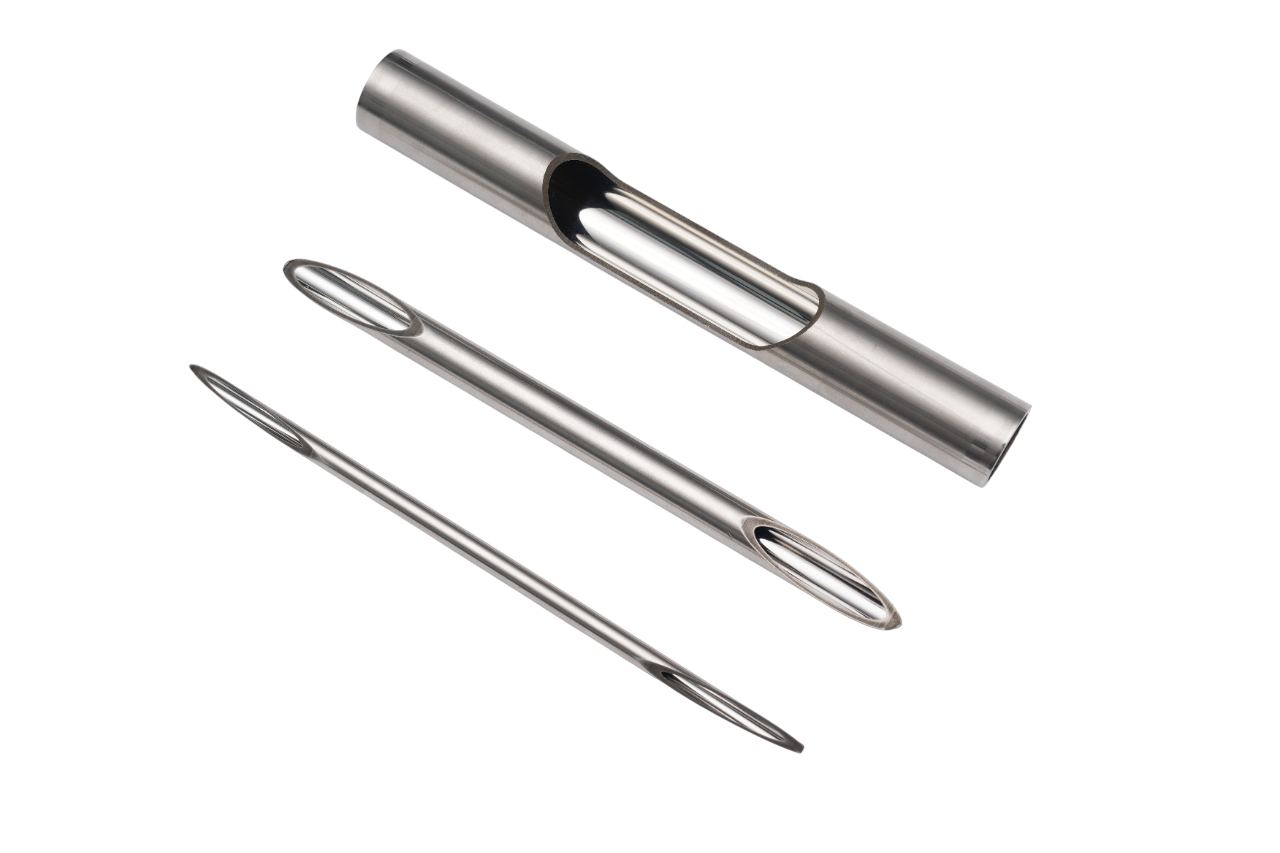
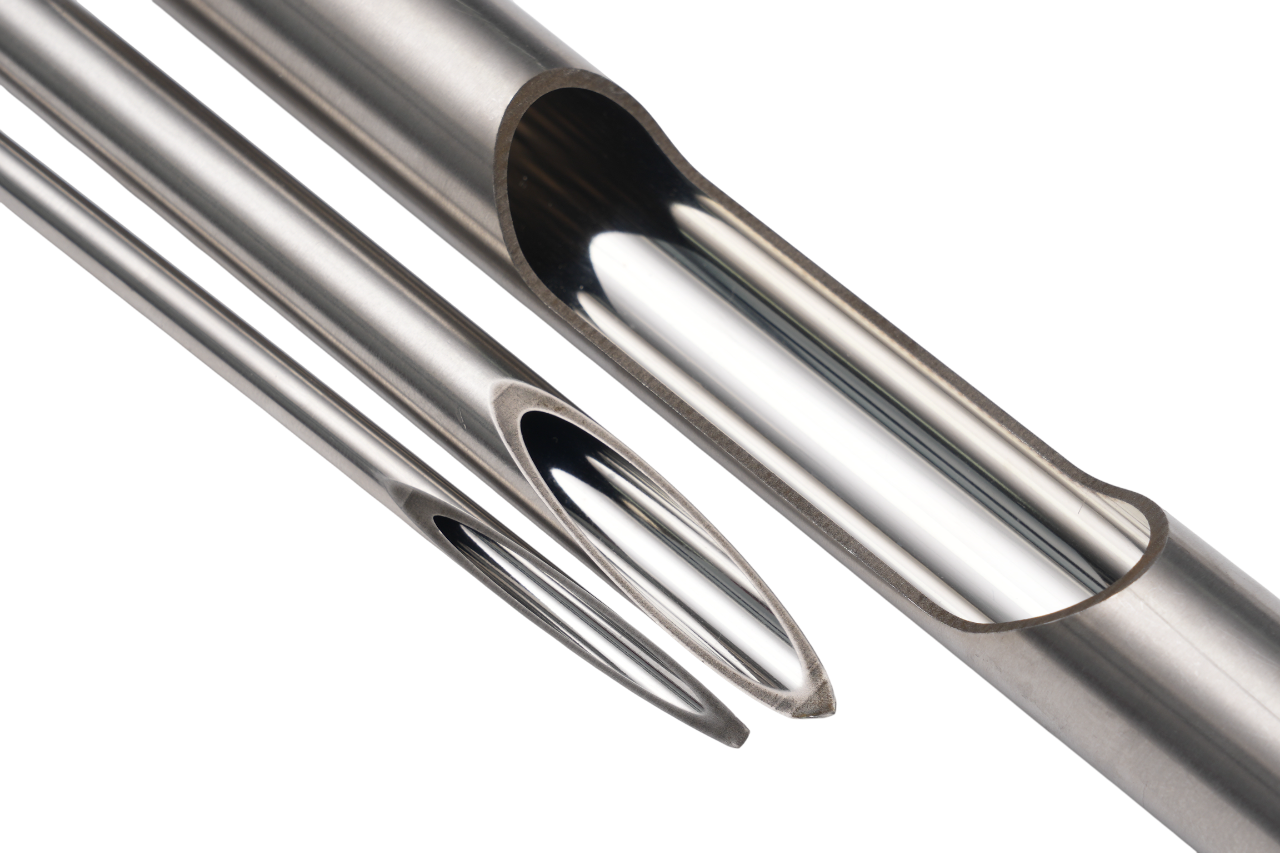
Electropolished (EP) Stainless Steel Tube is a high-purity electropolished stainless steel tubing produced through an advanced electropolishing process that removes a thin layer of metal from the internal surface and external surface of the steel tube. This electrochemical treatment improves surface finish, reduces surface roughness, and enhances overall cleanliness.

By controlling the chemical composition interaction during the process, EP tubing achieves a smooth, defect-free surface with significantly improved corrosion resistance. The refined internal surface helps minimize particle adhesion and contamination, making it suitable for ultra high purity (UHP) systems.

EP tubing is widely used in industries where purity and consistency are required, including semiconductor manufacturing, pharmaceuticals, biotechnology, food processing, and high-purity gas delivery systems. Its controlled surface characteristics ensure stable flow conditions and long-term performance in demanding environments.
Contact Us

Botong Precision Introduction

Download | pdf 26.28MB

Material Grades:

TP316L, 304L, 310S, 317L, 321H, 347H, UNS S31803, S32205, S32750, etc. (other materials available upon request)


Size Range:

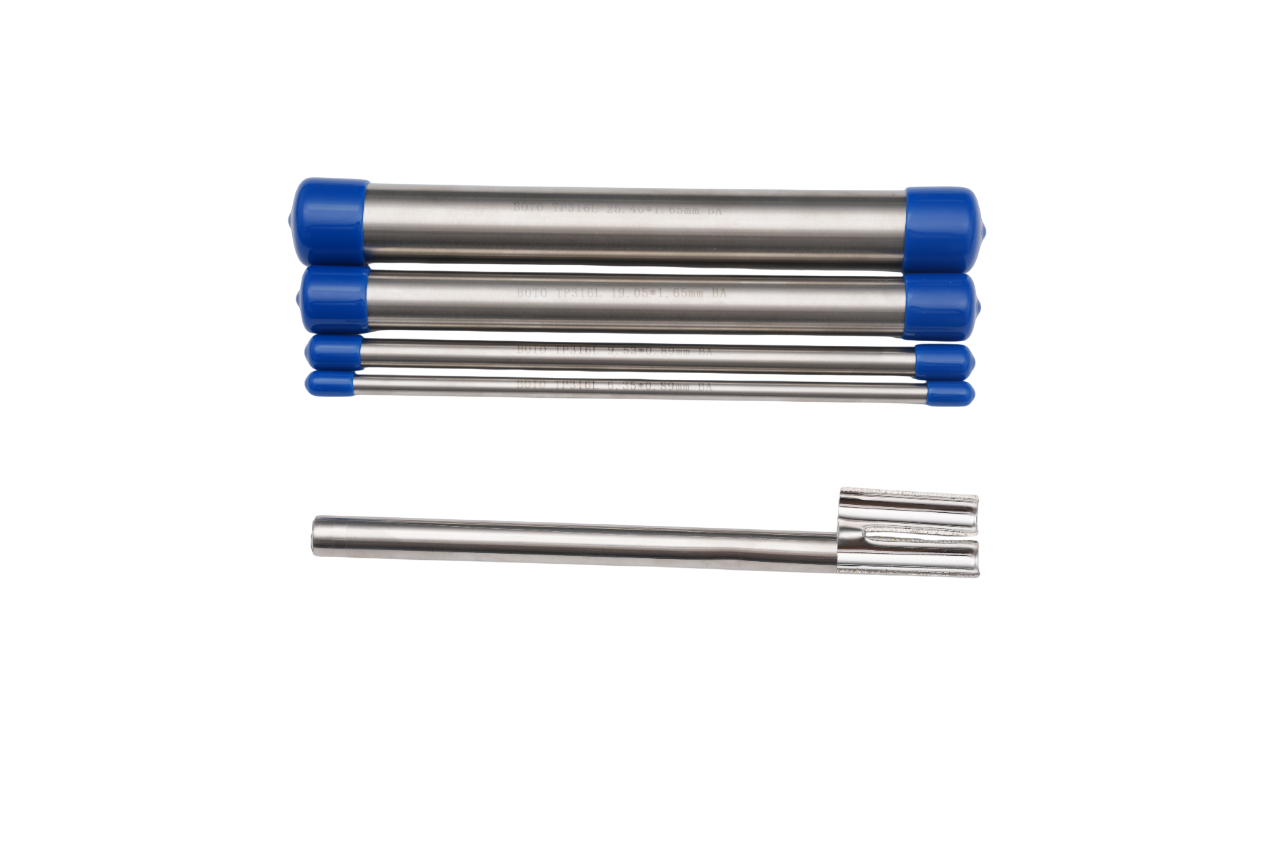
OD 6.00 mm ~ OD 114.30 mm


Product Description:

Electropolished (EP) stainless steel tube is a high-purity stainless steel tubing product that undergoes a specialized surface finishing process to achieve extremely high cleanliness, corrosion resistance, and surface smoothness. It is widely used in industries with strict requirements for purity and performance.


FAQs
What Is Electropolished Stainless Steel Tube?
Electropolished stainless steel tube (EP tube) is a stainless steel tubing product that undergoes an electrochemical polishing process to remove a microscopic layer of metal from the surface. The process creates an ultra-smooth, clean, and corrosion-resistant surface, making EP tubing ideal for high-purity applications.
Why Is Electropolished Tubing Used In Semiconductor Manufacturing?
Semiconductor production requires extremely clean gas and fluid delivery systems. Electropolished tubing minimizes particle generation, reduces contamination risks, and provides a highly passive surface that supports ultra-high-purity process environments.
What Surface Roughness Can Electropolished Tubing Achieve?
Typical internal surface roughness values include:

Standard EP: Ra ≤ 0.5 μm

High-Purity EP: Ra ≤ 0.38 μm

Ultra-High-Purity EP: Ra ≤ 0.25 μm

The required roughness level depends on the application and cleanliness specification.
Which Stainless Steel Grades Are Commonly Used For EP Tubing?
The most common materials include:

304 Stainless Steel

304L Stainless Steel

316 Stainless Steel

316L Stainless Steel

Among these grades, 316L is widely preferred for pharmaceutical, biotechnology, and semiconductor applications because of its excellent corrosion resistance and low carbon content.
What Industries Commonly Use Electropolished Stainless Steel Tubes?
EP stainless steel tubing is widely used in:

Semiconductor manufacturing

Pharmaceutical production

Biotechnology facilities

High-purity gas systems

Food and beverage processing

Analytical instrumentation

Laboratory systems

These industries require extremely clean fluid and gas transportation systems.
How Do I Choose The Right Electropolished Stainless Steel Tube?
Consider the following factors:

Material grade (304L or 316L)

Surface roughness requirement (Ra value)

Operating pressure and temperature

Purity requirements

Applicable standards and certifications

Packaging and cleanliness specifications

Selecting the correct tubing specification helps ensure long-term system reliability and contamination control.